

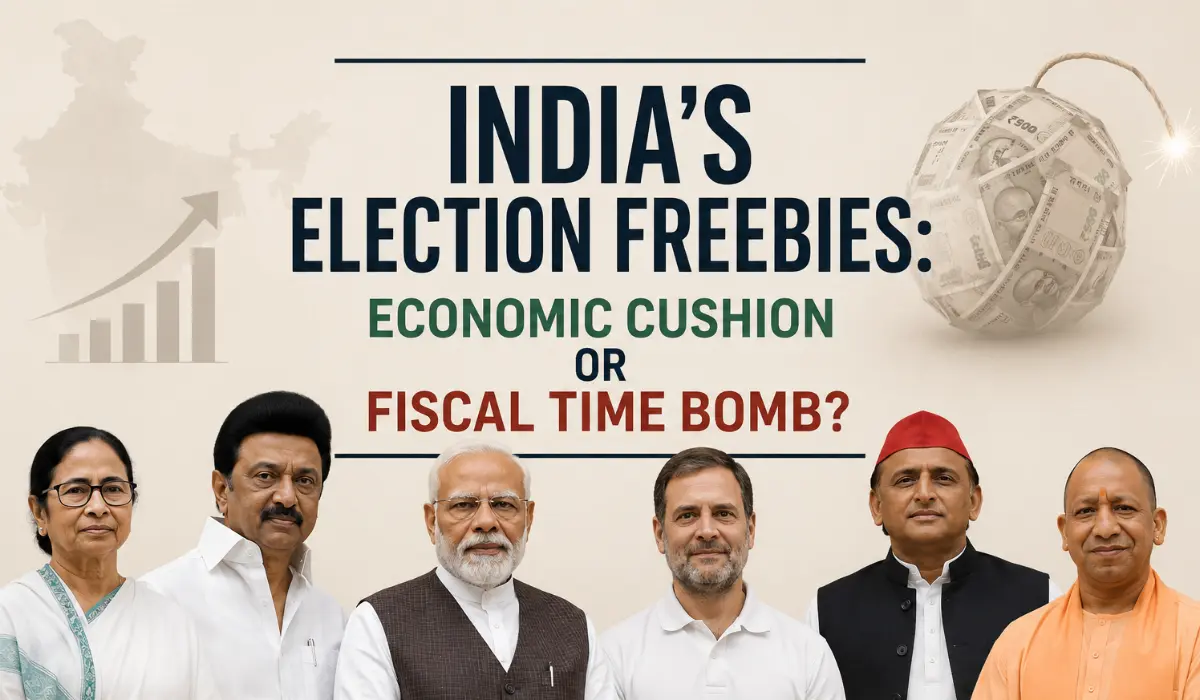
India’s election freebies may protect households from inflation, war-driven costs, and weak monsoons — but economists warn of rising fiscal pressure and long-term economic risks.
Table of Contents
India’s Election Freebies: Economic Cushion or Fiscal Burden?
Introduction
India’s political landscape is increasingly shaped by election-time welfare schemes and cash transfer programs. As the country faces rising inflation risks from global conflicts, heatwaves, and a potentially weak monsoon season, these “freebies” are emerging as both an economic buffer and a fiscal challenge. Recent reports suggest that nearly half of India’s states now offer some form of direct cash assistance or subsidies to voters.
This raises an important question: Are election freebies helping India’s economy survive difficult times, or are they creating long-term financial stress?
According to a recent analysis by Bloomberg, welfare-driven spending may play a major role in cushioning the economic impact of inflation and weak monsoon conditions in India.
Why Election Freebies Are Growing in India
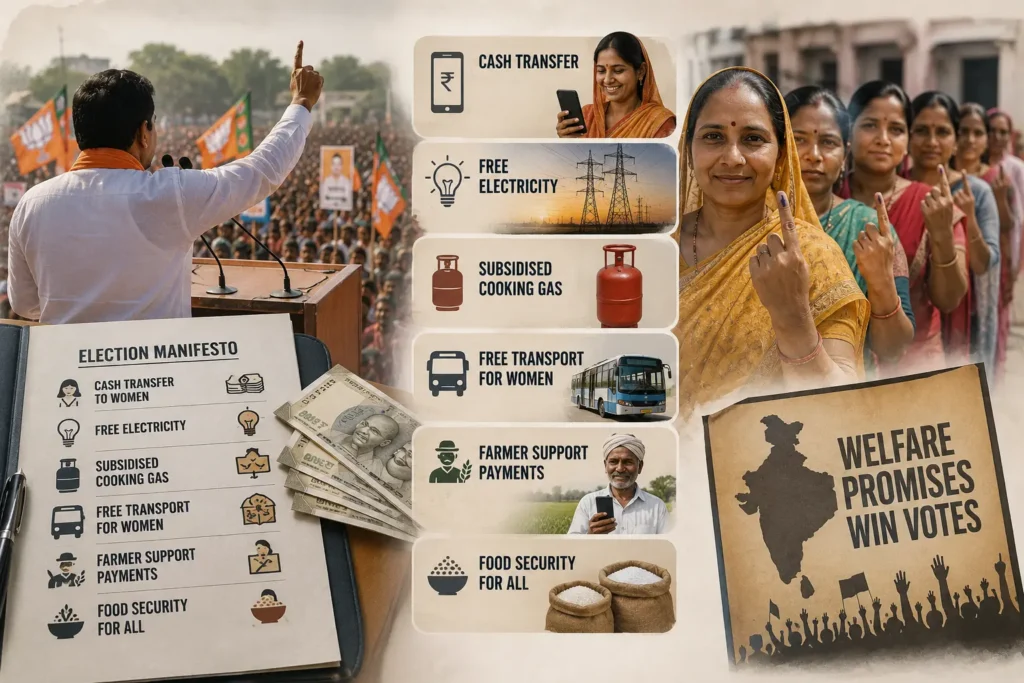
Political parties across India have increasingly relied on welfare promises to attract voters. These schemes include:
- Monthly cash transfers
- Free electricity
- Subsidized cooking gas
- Free transport for women
- Farm support payments
- Food distribution programs
Several recent state elections have shown that welfare-driven campaigns can strongly influence voter behavior. Economists say this trend has intensified after parties realized welfare schemes directly impact household spending and rural demand.
You can also explore Bloomberg’s detailed economic perspective on this growing trend here:
India’s Election Freebies Analysis
How Freebies Are Supporting India’s Economy
Boosting Rural Consumption
India’s rural economy heavily depends on agriculture and monsoon rainfall. A weaker monsoon in 2026 could reduce crop output and lower farmer incomes. However, government cash support programs may help maintain consumer spending in villages and small towns.
Protection Against Inflation
India is already facing inflation pressures due to:
- Rising oil prices
- Heatwaves increasing electricity demand
- Higher food prices
- Global geopolitical tensions
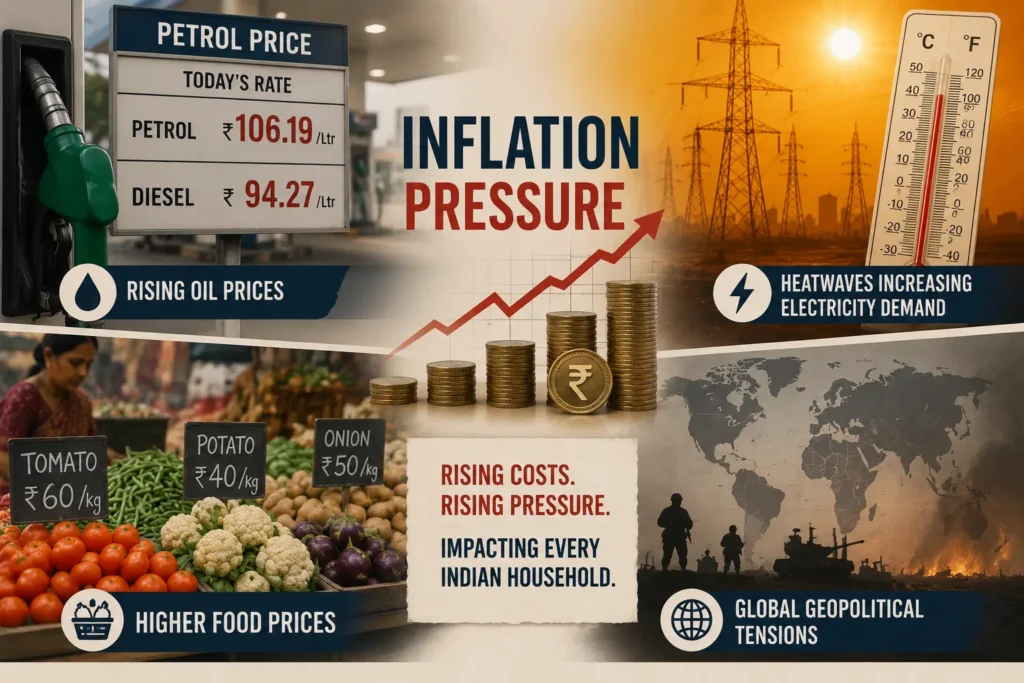
Direct welfare schemes can temporarily reduce pressure on low-income households by supporting purchasing power.
Political Stability During Economic Stress
Governments often increase welfare spending during periods of economic uncertainty to avoid public dissatisfaction and maintain political support.
The Hidden Risks Behind Freebie Politics
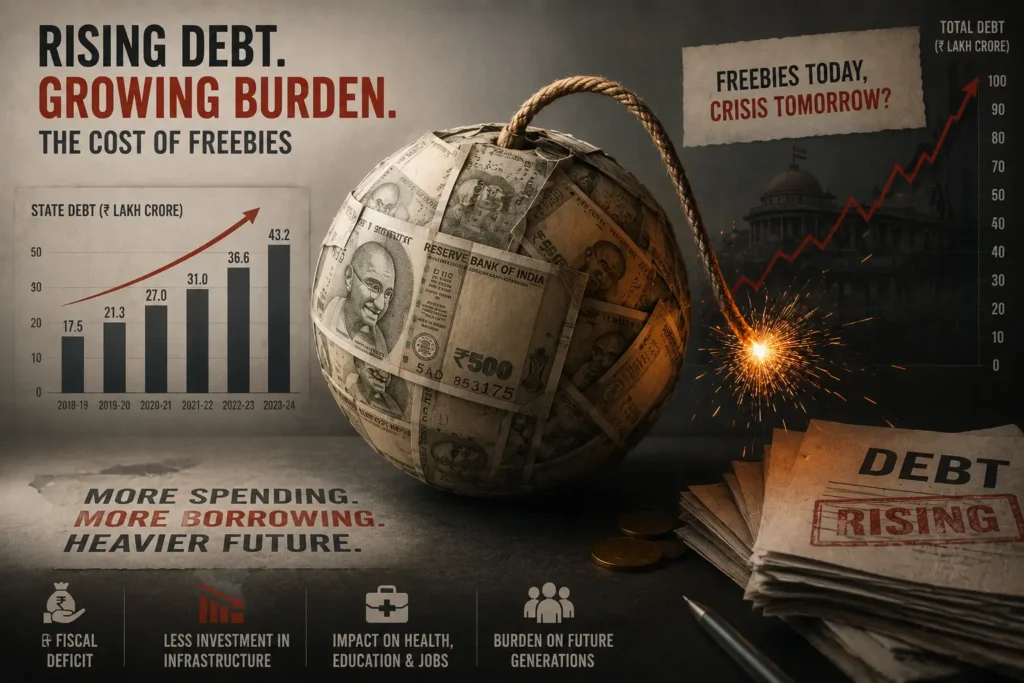
Rising Fiscal Deficits
One major concern is the growing financial burden on state governments. Large-scale welfare promises require significant funding, which may increase borrowing and debt levels.
Reduced Investment in Infrastructure
Critics argue that excessive welfare spending could divert funds away from:
- Infrastructure
- Healthcare
- Education
- Job creation
- Manufacturing growth
Long-Term Dependency Concerns
Some economists worry that repeated cash transfer schemes may encourage political dependency rather than sustainable economic development.
Public debates on social platforms also reflect growing concerns about taxpayers funding short-term electoral benefits.
The Monsoon Factor and India’s Economic Future
India’s economy remains highly dependent on monsoon rainfall. The 2026 forecast suggests below-average rainfall due to possible El Niño conditions. A weak monsoon could lead to:
- Lower agricultural production
- Higher food inflation
- Reduced rural incomes
- Increased import dependence
Since agriculture supports a large portion of India’s population, any weather disruption has nationwide economic consequences.
Bloomberg’s report also highlights how climate risks and global instability may increase the importance of welfare spending in India’s near-term economic outlook:
Read Full Bloomberg Report
Are Election Freebies Sustainable?
Supporters argue that welfare programs are essential in a country where millions still face economic hardship. They believe direct assistance improves:
- Financial inclusion
- Women’s participation
- Rural purchasing power
- Social security
Opponents believe unchecked welfare expansion may weaken fiscal discipline and slow long-term economic reforms.
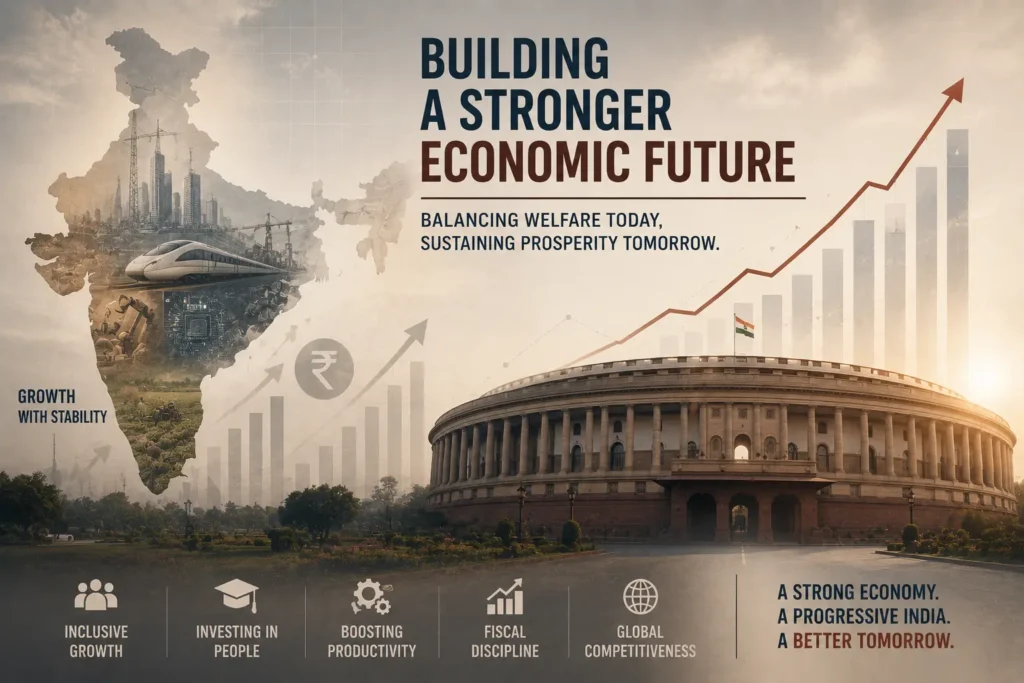
The real challenge for India is balancing social welfare with economic sustainability.
Final Thoughts
India’s election freebies are becoming a powerful economic and political tool. In the short term, they may help households deal with inflation, climate uncertainty, and slowing growth. However, if these schemes continue expanding without proper fiscal planning, they could place heavy pressure on government finances.
As India enters another critical economic cycle, policymakers must decide whether welfare spending should remain temporary relief or evolve into sustainable economic reform.
RBI digital lending rules explained in simple terms. Learn how loan apps work, risks, safety tips, and fintech regulations in India.