 11
11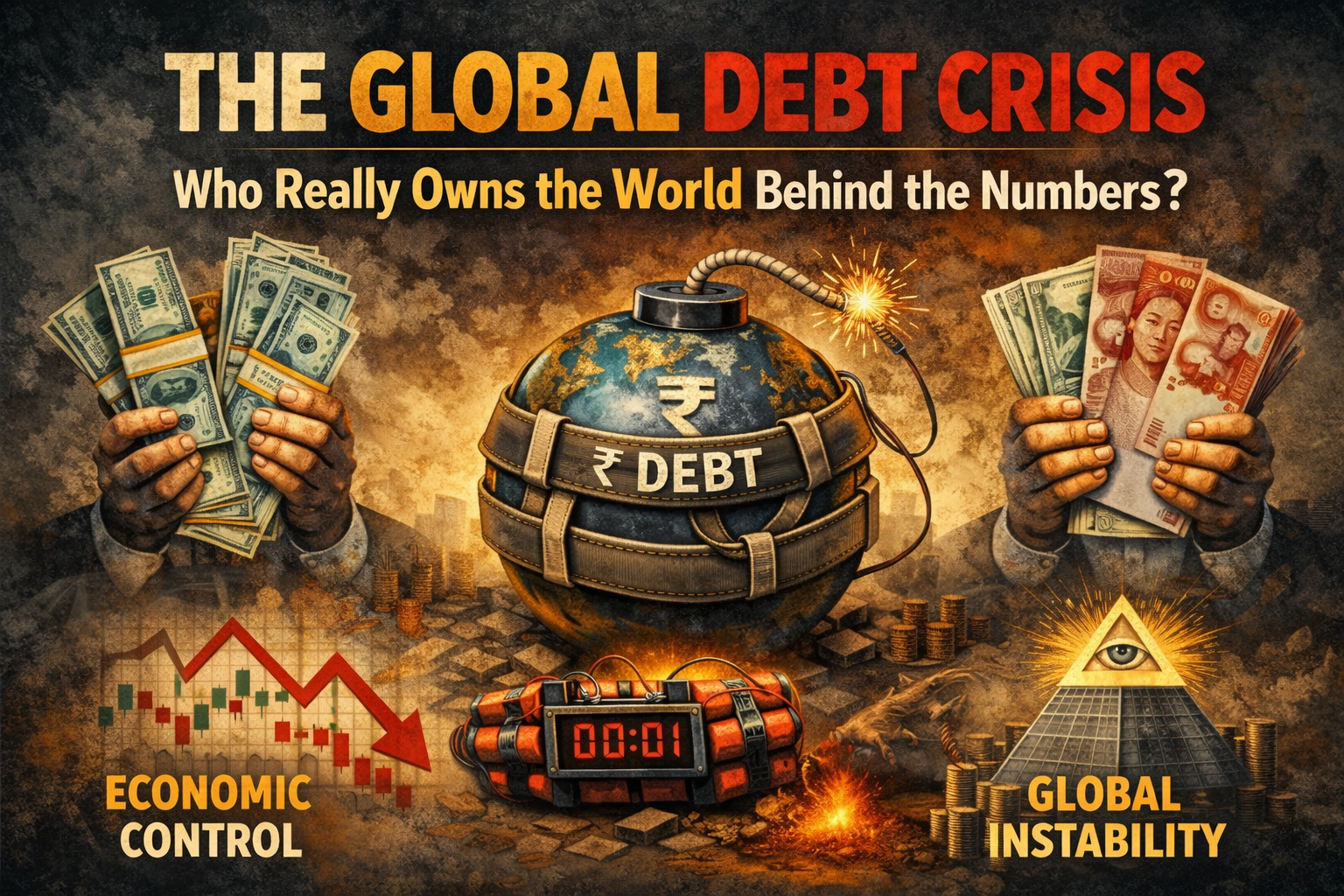
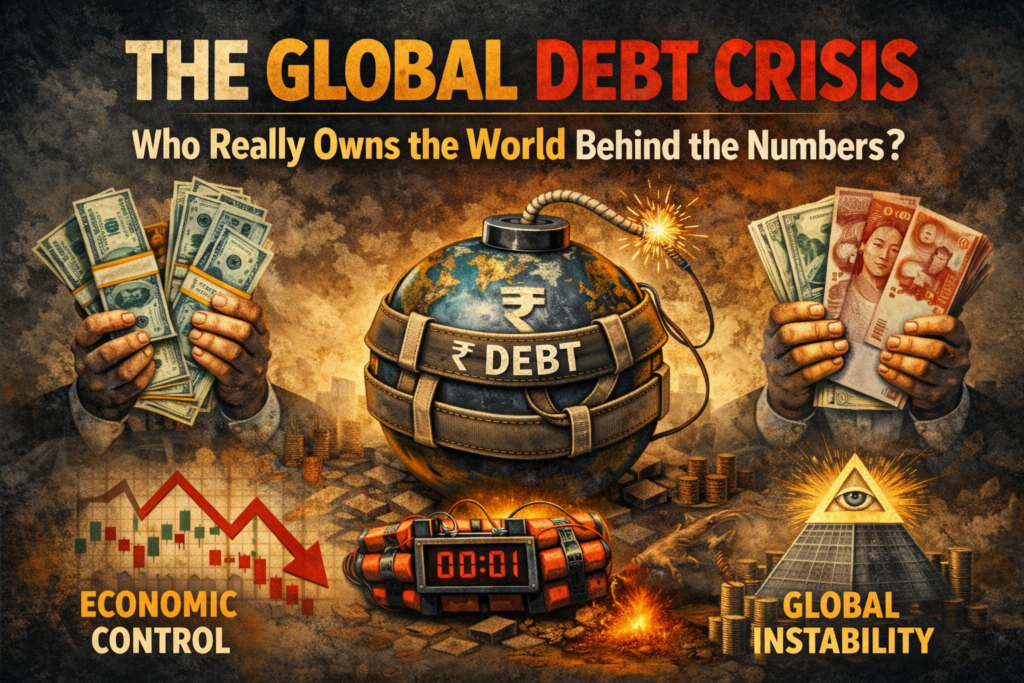
The Global Debt Crisis is reshaping power across nations. Who really owns the world when debt controls economies, governments, and people?
Look around the world today — powerful nations, growing economies, billion-dollar corporations. It all seems like a system driven by ownership and control.
But dig a little deeper, and a different reality emerges. One where control is not always about ownership, but about debt.
This is where The Global Debt Crisis becomes impossible to ignore.
Governments owe trillions. Corporations run on borrowed capital. Even individuals live on credit. The uncomfortable question is:
If everyone is in debt, then who actually owns the world?
At its core, The Global Debt Crisis refers to the massive accumulation of debt across countries, institutions, and individuals.
It is no longer just an economic issue — it’s a structural reality shaping global power.
Global debt has crossed hundreds of trillions of dollars. According to the International Monetary Fund, debt levels worldwide have reached historic highs.
You can explore detailed global debt data on International Monetary Fund reports:
https://www.imf.org
This scale is what makes The Global Debt Crisis not just a financial issue, but a geopolitical one.
To understand The Global Debt Crisis, we need to understand creditors.
Institutions like the Federal Reserve and other central banks influence money supply and interest rates.
They indirectly shape The Global Debt Crisis by making borrowing easier or harder.
Organizations like the World Bank and IMF provide loans to developing nations.
These loans often come with conditions, making The Global Debt Crisis a tool of influence as well.
Hedge funds, banks, and wealthy investors also play a role. Their capital fuels economies but also deepens The Global Debt Crisis.
Here’s where things get interesting.
Ownership today is not always about assets — it’s about obligations.
Countries deeply tied into The Global Debt Crisis often face:
Debt becomes leverage.
A nation that owes money cannot always act freely. This is why The Global Debt Crisis is often described as a silent system of control.
Consider countries that have taken large international loans.
In many cases, repayment pressure forces governments to:
These are not just financial decisions. They are outcomes of The Global Debt Crisis influencing governance.
This isn’t happening by accident. Several factors are accelerating it.
For years, low interest rates encouraged borrowing. This expanded The Global Debt Crisis across all sectors.
During crises like pandemics or recessions, governments borrow heavily. This further deepens The Global Debt Crisis.
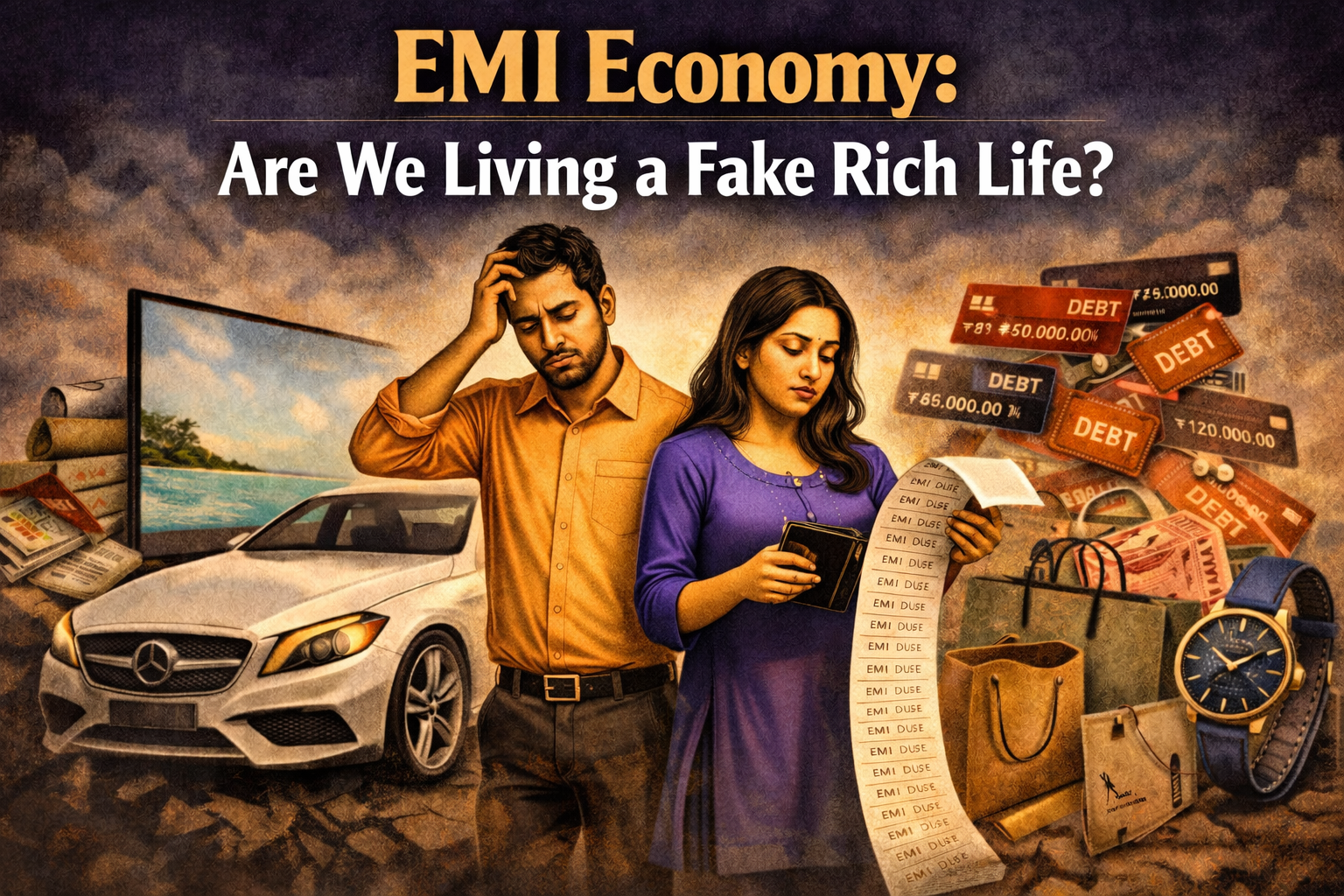
On an individual level, credit cards, EMIs, and loans contribute to the broader The Global Debt Crisis.
One of the most overlooked aspects of The Global Debt Crisis is how it creates a false sense of prosperity.
But underneath, liabilities are rising.
This illusion is what makes The Global Debt Crisis dangerous — it hides risk behind visible growth.
Every system has limits. The question is whether The Global Debt Crisis is approaching one.
These signals suggest that The Global Debt Crisis cannot expand indefinitely without consequences.
Not all debt is bad. In fact, when used correctly, it can drive growth.
The issue is not debt itself, but misuse.
A balanced system can manage The Global Debt Crisis if:
Without these, The Global Debt Crisis becomes a long-term risk.
This brings us back to the central question.
In a world shaped by The Global Debt Crisis, ownership becomes complex.
It’s not just governments or corporations.
It’s those who control capital, interest rates, and financial systems.
In many ways, The Global Debt Crisis shifts power away from visible leaders toward financial institutions and capital providers.
Looking ahead, the trajectory is uncertain.
We may see:
Or we may see deeper integration of debt into everyday economic life.
Either way, The Global Debt Crisis will continue to shape global power dynamics.
Whether we realize it or not, we are all part of The Global Debt Crisis.
From national economies to personal finances, debt is deeply embedded in how the modern world functions.
The real question is not whether The Global Debt Crisis exists — but how we respond to it.
Understanding it is the first step. Managing it wisely is the next.
Because in the end, the world may not be owned by those who hold assets, but by those who hold the debt.
It refers to the massive accumulation of debt by governments, corporations, and individuals worldwide, creating economic and financial risks.
Major lenders include central banks, international institutions like the World Bank, and private investors.
Low interest rates, economic stimulus policies, and rising consumer borrowing are key reasons behind the growth of The Global Debt Crisis.
It can be if unmanaged. Excessive borrowing without growth can lead to financial instability and economic crises.
It impacts interest rates, job stability, inflation, and personal financial health, making The Global Debt Crisis relevant to everyone.
Yes, but it requires responsible borrowing, strong policies, and sustainable economic growth strategies.